SYMBIOSIS • RELATIONSHIPS & THEIR DEFINITIONS
Symbiosis
Long-term biological interaction between two different or same species/organisms, whether mutualistic, commensalistic or parasitic.
Five main symbiotic relationships:
– mutualism
– commensalism
– predation
– parasitism
– competition
Mutualism – both species benefit. (Pollination)
Commensalism – one species lives with, on, or in another – the host. The host neither benefits nor is harmed from the relationship.
Predation – one species hunts and kills another.
Parasitism – one species lives with, on, or on a host, at the expense of the host. The host is not killed immediately, but over time.
Competition – species fight for limited resources in an ecosystem. Intraspecific competition which is between the same species, and interspecific competition between different species.
*These relationships can be measures of an ecosystem’s health.*
↑
*Symbiosis was argued to refer only to mutualism (benefit of both species), but is now abandoned.*
↑
https://www.kiwicare.co.nz/advice/garden/symbiosis-in-the-garden/
ANZ ENDEMIC ANIMALS & PLANTS
Below is the Research of different ANZ endemic species to integrate into the mandala inspired illustration piece. At this stage, land dwelling animals like: reptiles, birds, insects and plants are considered rather than marine life to refine the focus. It is likely that depictions will be purely land animals and plants.
Through this, the hope is to discover connections between the animals and plants.
At this stage, creating animals and plants that are endemic to ANZ and representing them together is the wholistic idea – it may prove challenging to find endemic plants and animals that fit perfectly for each row of the mandala. The idea is to represent the animals involved in symbiotic relationships unique to ANZ, and that they are essentially part of the larger, natural landscape of ANZ.
Geckos, lizards, skinks, tuatara
– “New Zealand geckos have most often been seen feeding on pohutukawa nectar.”
– “Geckos group around the newly opened flowers, presumably because these have the greatest nectar production, and up to five geckos have been seen feeding together from a single inflorescence.”
– “Geckos forage amongst the foliage or along the stems of ngaio until a flower is located. They then arch their necks to push the snout well down into the flower to reach the nectar. On Aorangi Island in November 1984 each ngaio bush along the shore generally had 2-4 geckos each night feeding on nectar.”
– “There has been only one observation of a gecko feeding on Hebe bollonsii flowers; an adult H. pacificus was seen clinging to the erect inflorescence and lapping nectar from each flower in turn. Geckos have also been seen feeding on the fluid draining from wounds on the trunks of trees, and on honey-dew.”

*Photographer with geckos with pohutukawa and flax – here

Citation for the quoted info above:
A. H. Whitaker (1987) The roles of lizards in New Zealand plant reproductive strategies, New Zealand Journal of Botany, 25:2, 315-328, DOI: 10.1080/0028825X.1987.10410078
https://doi.org/10.1080/0028825X.1987.10410078
PDF ↓
https://www.tandfonline.com/doi/pdf/10.1080/0028825X.1987.10410078
Types of lizards • geckos • skinks
– Common skink
-Tuatara
– Forest Gecko
– Auckland green gecko
– Northland green gecko
– Pacific gecko
– Duvaucel’s gecko
– Otago skink
– Forest gecko
– Robust skink
– Rough gecko
– Marlborough green gecko
– Sandy bay gecko
– Nelson green gecko
– Speckled skink
– Three kings skink
– Moko skink
– Spotted skink
– Jewelled gecko
– Shore skink
↑
http://www.nhc.net.nz/index/lizards-new-zealand/lizards.htm
More facts on NZ geckos:
https://www.doc.govt.nz/nature/native-animals/reptiles-and-frogs/lizards/geckos/
Frogs: NZ frogs 4/7 species remain – don’t have webbed feet, no external eardrums, chirp instead of croak, nocturnal, round pupils, no tadpole stage.
– Mud island frog
– Hochstetter frog
– Hamilton’s frog
– Archey’s frog
http://www.nhc.net.nz/index/frogs-new-zealand/new-zealand-frogs.htm
Bats: greater short-tailed bat (thought to be extinct)
– lesser short-tailed bat (3 subspecies) – relationship with rare plant Woodrose (pua reinga)
– long-tailed bat – diet includes insects and nectar – Maori refer to bats as pekapeka.
http://www.nhc.net.nz/index/bats/new-zealand-bat.htm
Insects: velvet worms, weta(?), Carabidae, Giant bush dragonfly, nz stick insect, nz preying mantis, blue damselfly (dragon fly), Chorus cicada, snails, slaters, grasshoppers, four spined weevil, fly, giraffe weevil, tunnelweb spider, green vegetable bug, mayflies, nz bush cricket, nurseryweb spider, polistes chinensis (kind of wasp), red damselfly, tunnelweb spider, little grass cicada, veined slug
http://www.nhc.net.nz/index/insects-new-zealand/insects-spiders.htm
Birds: Kea, Tui, Morepork, Kingfisher, wrens, kiwi (?), weka, Takahe, NZ Falcon, Morepark (owl), Australasian swamphen (pukeko), kakapo, fantails
Plants: Thar, deer & brushtail possums consume native plants. Introduced plants are now greater than the native.
NZ Lichen – combo of fungus and algae in symbiotic relationship. Fungus surrounds algae cells.
http://www.nhc.net.nz/index/botanical-new-zealand/lichen/lichen.htm ^^^
*NZ flax – harakeke – Phormium tenax: medicinal properties and nectar is a fav of birds, such as the Tui, Bell Bird, insects and geckos who pollinate flax.
http://www.nhc.net.nz/index/botanical-new-zealand/flax/flax.htm ^^^
* Photographs of Tui and geckos with flax. ^^^
* Goldstripe Gecko http://www.nhc.net.nz/index/lizards-new-zealand/glodstripe-gecko/goldstripe-gecko.htm
– NZ Ferns 170-190 species of them
http://www.nhc.net.nz/index/botanical-new-zealand/ferns/ferns.htm
NZ Native Flowers:
Flowers in bold are known flowers and trees that native birds and lizards have a relationship with.
– Tea Tree
– Puriri
– Flax
– Poruporu
– Nikau
– Tecommanthe speciose
– Kowhai
– Pōhutukawa (flower & tree – native geckos eat the nectar)
– Rātā (flower and trees, similar to pōhutukawa)
http://www.nhc.net.nz/index/botanical-new-zealand/flowers/new-zealand-flowers.htm
Evidence both pōhutukawa & rātā are native:
https://www.doc.govt.nz/nature/native-plants/rata/
https://www.doc.govt.nz/nature/native-plants/pohutukawa/
https://www.nzherald.co.nz/nz/news/article.cfm?c_id=1&objectid=10476901
CHOOSING
ANIMALS & PLANTS
The following is a process of simplification on the animals and plants that will be depicted in rows, combined together to make the symbiotic mandala.
HARAKEKE/FLAX FLOWERS


Tui
bellbirds
short-tailed bats
common geckos & goldstripe geckos
flax snails (rare land snail • only in the North)
flax weevils
↑ All have a relationship with Harakeke/flax flowers and bush.


WOOD ROSE • BATS • WETA


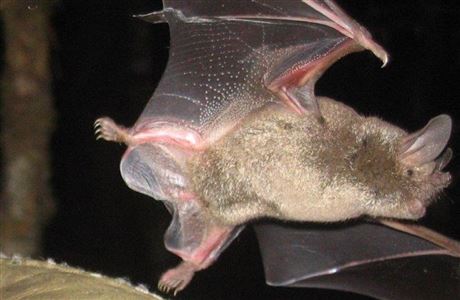


Short-tailed bats
Weta
Kakapo (no longer pollinates due to its endangerment)
Wasps (unclear which species/kinds)
Beetles (unclear which species/kinds)
↑ All have a relationship with Wood Rose.


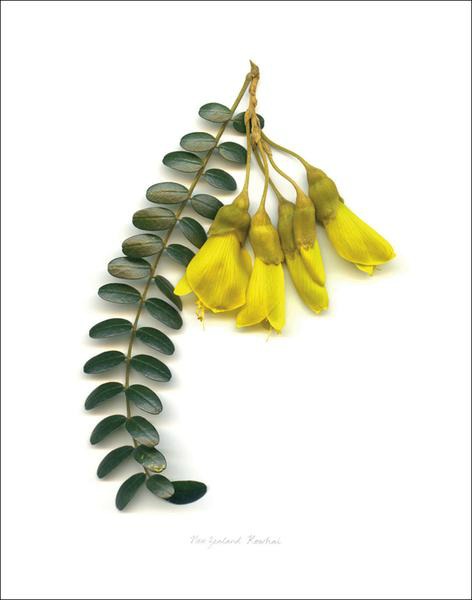
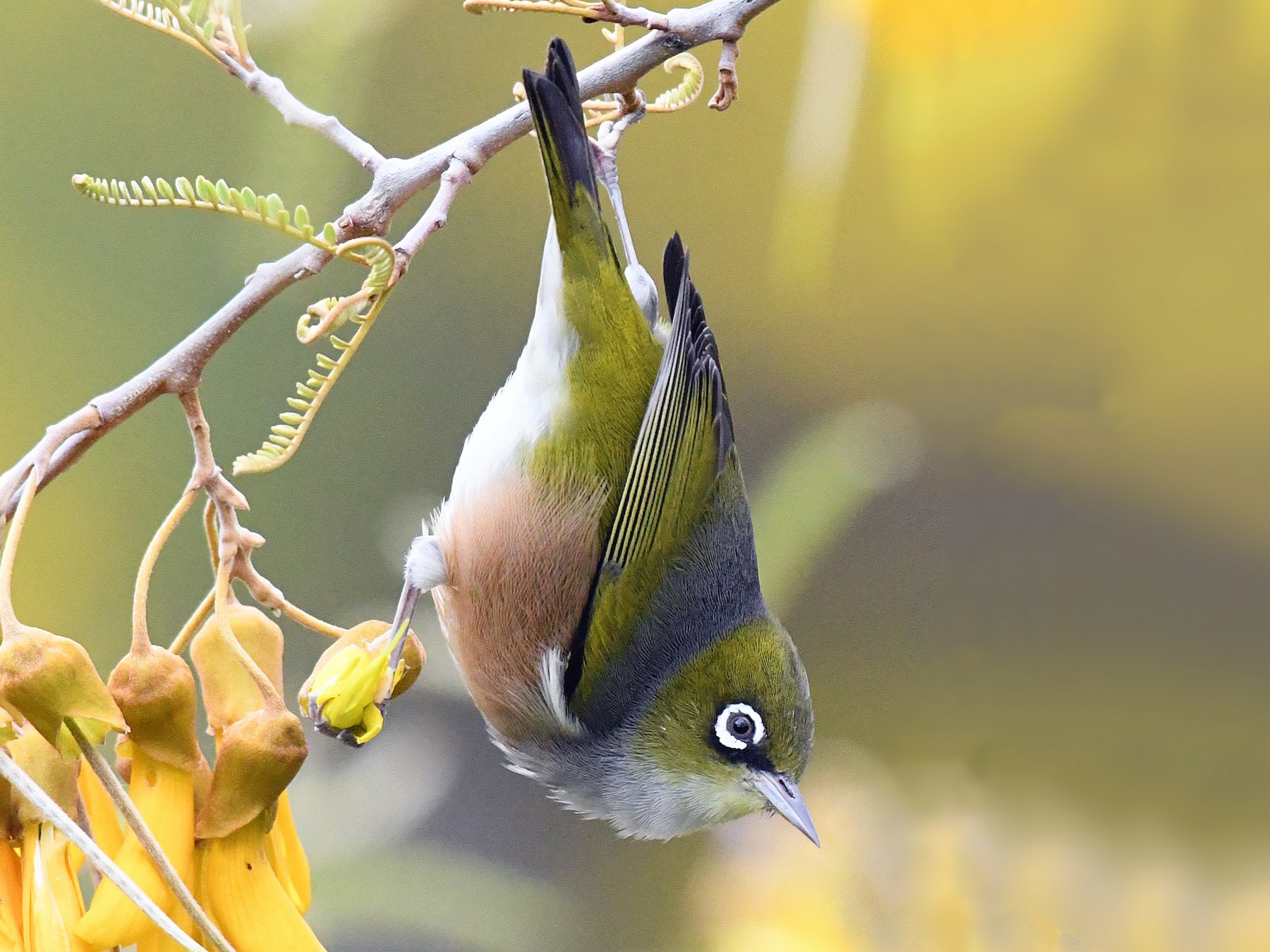
KOWHAI FLOWERS • SILVEREYE • KOWHAI MOTH
Both the Silvereye and Kowhai Moth are pollinators of the Kowhai flower.




OTHER ANIMALS
TO INCLUDE IF NEEDED
Look to these if you need more – or use them to explore the spaces around the mandala:
- Puriri plant/flower
- Puriri moth
- Grass cicada
- Veined slug
- Frogs



.jpg)

 SYMBIOSIS

_(6955767489).jpg)